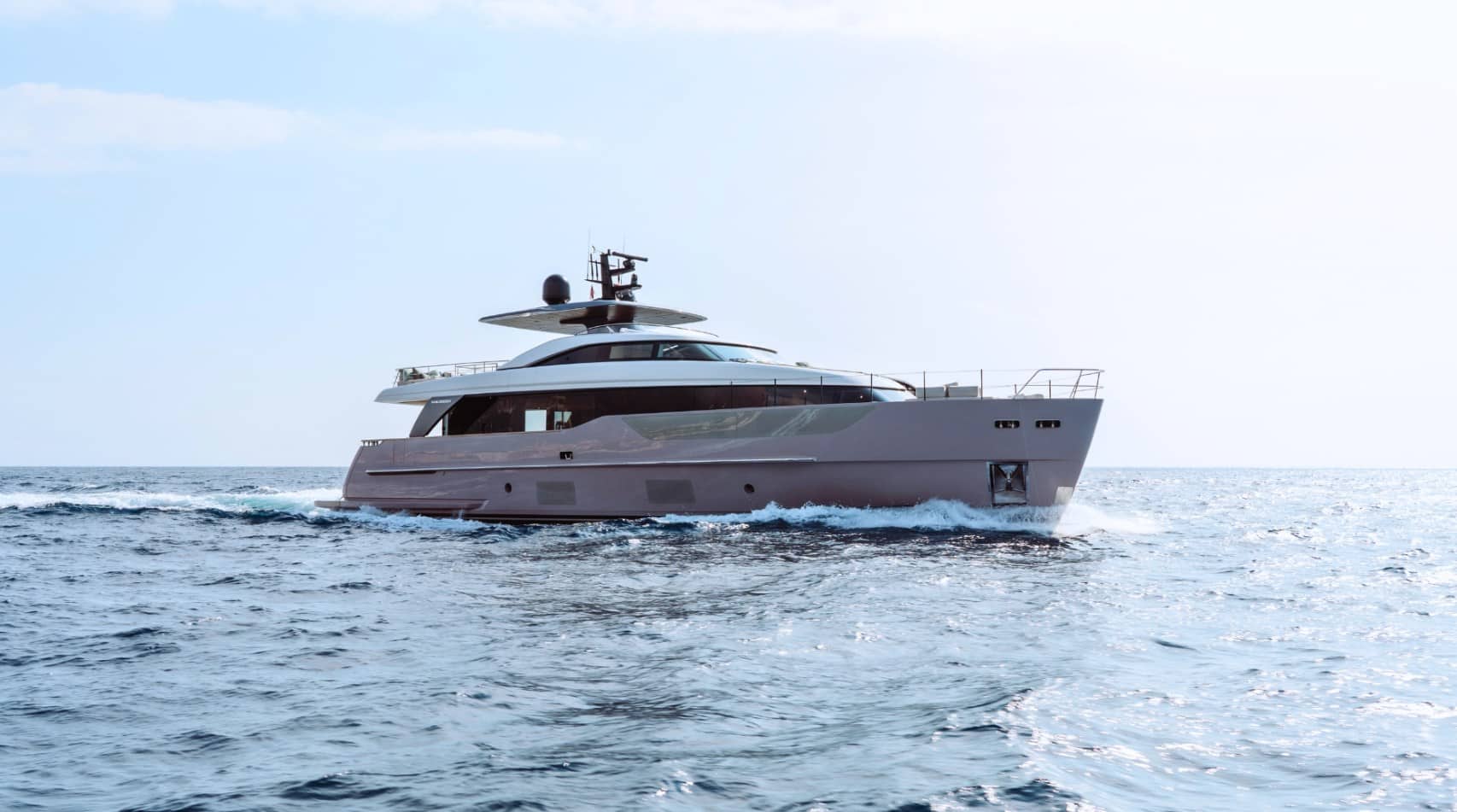
Boat Seat Materials: The Details Behind Lasting Quality
A well-designed boat interior is built around details that passengers may not notice immediately but appreciate throughout every journey. Seating is a perfect example. Its appearance contributes to the character of a vessel, while its construction determines how comfortable and practical the interior feels. Selecting suitable boat seat materials can help owners protect their investment and create a more enjoyable environment onboard. Marine upholstery professionals at Boat Upholstery Fort Lauderdale work with boat and yacht interiors, helping owners combine custom design with materials suited to life on the water.
What Makes Marine Seating Different?
Boat seats operate in an environment that places unusual demands on upholstery. Unlike indoor furniture, they may experience direct sunlight, saltwater, humidity, temperature changes, and frequent cleaning.
These conditions affect both the visible covering and the components underneath it. A material that performs well in a living room may deteriorate much faster when exposed to marine conditions.
For this reason, owners should prioritize products specifically developed for marine applications. Their construction and performance characteristics make them better suited to the challenges of boating.
Quality Is More Than a Price Tag
A higher price does not automatically guarantee better performance. Material quality depends on several characteristics, including construction, protective treatments, backing, and suitability for the intended application.
Owners should review manufacturer specifications before making a decision. UV resistance, moisture protection, abrasion performance, and cleaning recommendations can help distinguish products designed for different environments.
When comparing boat seat materials, it is also important to consider how frequently the vessel is used. A boat that spends most weekends outdoors may require different upholstery from one used occasionally in protected waters.
The Importance of Strong Seams and Stitching
Even durable upholstery can develop problems when its seams receive insufficient attention.
Stitching holds individual panels together and helps maintain the shape of a cushion. Repeated movement, pressure, and exposure to moisture can gradually affect these areas.
Professional upholstery work should account for seam placement, thread suitability, panel construction, and the shape of each cushion. These details contribute to a cleaner finish and help the seating maintain its intended appearance.
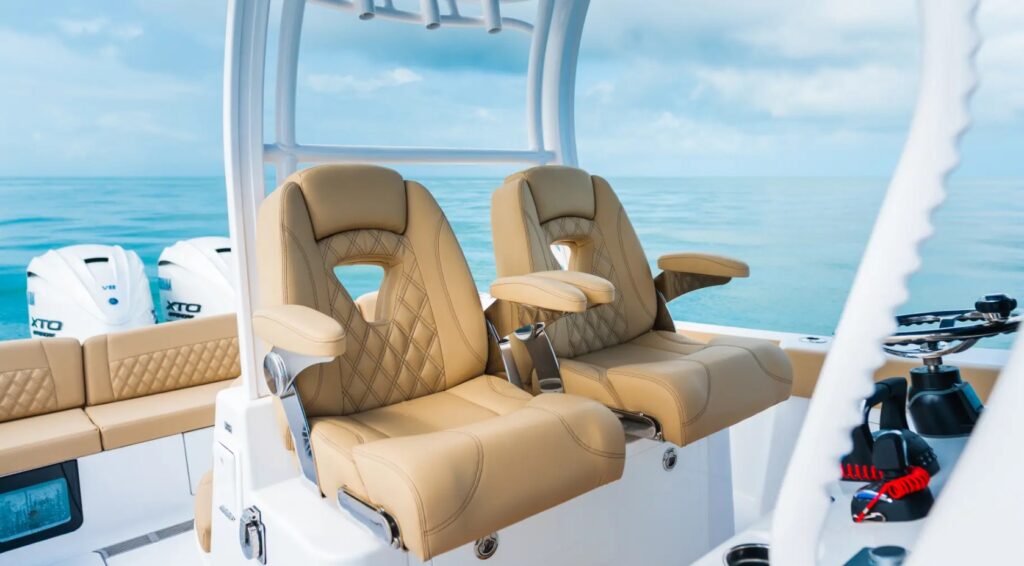
Decorative stitching can also improve the visual design. However, appearance should never replace proper construction.
Cushion Support Influences Everyday Comfort
The exterior covering receives the most attention during an upholstery project, but foam quality is equally important.
Cushions that have lost their resilience may feel uncomfortable and appear uneven. Replacing the covering without addressing deteriorated foam can leave the seating system looking unfinished.
Owners should consider foam density, thickness, shape, and intended use. Helm seating, lounge cushions, and passenger benches may require different levels of support.
A properly constructed cushion should feel comfortable while retaining its shape under regular use.
Design Choices Should Match the Vessel
Marine interiors can follow many different design directions. Some owners prefer understated combinations of white, gray, and navy. Others choose warmer neutral shades or more distinctive contrasting panels.
The best approach depends on the vessel’s style and the atmosphere the owner wants to create.
Texture can add another layer of customization. Smooth surfaces create a clean appearance, while subtle patterns can introduce depth without overwhelming the interior.
A coordinated selection of boat seat materials can connect the seating with flooring, wall panels, and other design elements.
Practical Maintenance Preserves Appearance
Marine upholstery requires regular attention, even when owners choose high-quality products.
Salt deposits, sunscreen, food, and dirt can accumulate during normal use. If left unattended, these contaminants may affect the appearance of seating and make cleaning more difficult.
A simple maintenance routine can include:
- Wiping down seats after boating trips.
- Removing salt residue with suitable products.
- Cleaning spills promptly.
- Drying wet cushions thoroughly.
- Checking seams and stitching for wear.
- Using protective covers during storage.
Owners should follow the manufacturer’s cleaning recommendations because different finishes may require different care methods.
When Is It Time to Upgrade?
Visible cracking, fading, loose seams, compressed foam, and persistent stains can indicate that seating needs attention.
However, an upgrade does not always require replacing every cushion. In some cases, individual sections can be repaired or reupholstered while preserving the existing layout.
A professional assessment can help determine whether the covering, foam, or complete seating construction needs replacement. This makes it easier to plan an upgrade according to the vessel’s condition and the owner’s priorities.
Final Thoughts
The quality of marine seating depends on several elements working together. Appropriate coverings, reliable stitching, supportive foam, thoughtful design, and regular maintenance all contribute to a better interior.
Choosing suitable boat seat materials is therefore a practical investment in comfort and long-term appearance. By considering the vessel’s environment and selecting products designed for marine use, owners can create seating that remains attractive and functional through many boating seasons.