
Expert Perspective on Boat Cabin Wall Upholstery Design and Materials
Professionals working in marine interior finishing increasingly emphasize the importance of wall surfaces inside vessel cabins. Those seeking professional upholstery services can find guidance here, as specialists note that boat cabin wall upholstery directly affects comfort, insulation, and the overall perception of interior quality.
Unlike exterior components, cabin walls are experienced at close range. For this reason, material choice, installation accuracy, and long-term performance play a critical role in how a boat interior feels and functions over time.
The Role of Upholstered Cabin Walls in Boat Interiors
Boat cabin wall upholstery serves both functional and aesthetic purposes. From a practical standpoint, upholstered walls help reduce noise, manage condensation, and improve thermal comfort. At the same time, they create a finished, cohesive interior that feels intentional rather than purely utilitarian.
In recent interior design discussions, marine experts have pointed out that poorly chosen wall materials often show wear faster than ceilings or seating. As a result, greater attention is now placed on durability and surface stability.
Common Materials Used for Boat Cabin Wall Upholstery
Material selection depends on vessel size, usage, and desired visual effect. However, several options are commonly seen across modern marine interiors.
Vinyl-based marine fabrics remain popular due to their resistance to moisture and ease of cleaning. These materials perform well in high-humidity environments and maintain a consistent appearance over time.
Fabric-backed panels offer a softer, more residential feel. When combined with marine-grade foam and proper sealing, they provide excellent sound absorption while enhancing comfort.
Composite wall panels with upholstered finishes are increasingly used in premium interiors. They combine structural rigidity with decorative surfaces, reducing the risk of warping or sagging.
Each solution offers different benefits, therefore professionals often evaluate materials based on real operating conditions rather than appearance alone.
Design Considerations That Influence Material Choice
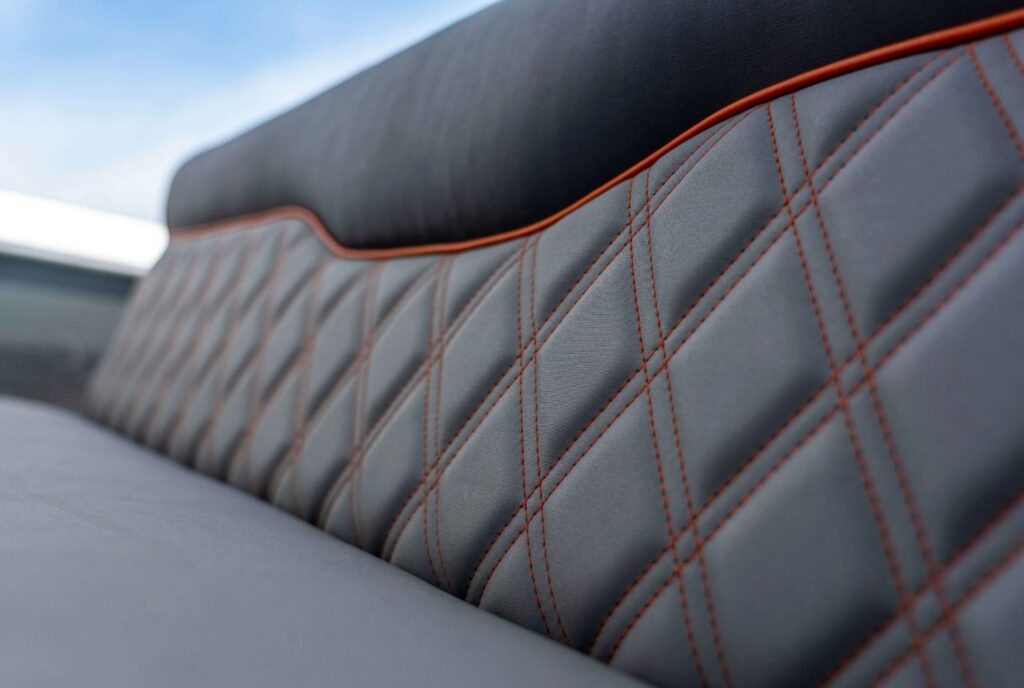
Design trends in boat cabin wall upholstery have shifted toward subtle textures and neutral tones. Lighter colors can visually expand small cabins, while textured surfaces add depth without overwhelming the space.
Additionally, seam placement and panel alignment are now treated as design elements rather than purely technical details. Clean transitions between walls, ceilings, and furniture help create a unified interior experience.
Lighting integration also affects upholstery decisions. Wall materials must respond well to both natural and artificial light, avoiding glare or uneven color reflection.
Installation Methods and Long-Term Performance
Proper installation is just as important as material quality. Inadequate adhesives or poor surface preparation can lead to bubbling, delamination, or moisture intrusion.
Professionals typically recommend layered installation systems that include vapor barriers, insulation, and upholstery backing. This approach helps protect the structure behind the walls while maintaining a smooth finished surface.
Moreover, modular panel systems are becoming more common. These allow individual sections of boat cabin wall upholstery to be removed or replaced without dismantling the entire interior.
Comfort, Acoustics, and Insulation Benefits
Beyond appearance, upholstered cabin walls significantly improve onboard comfort. Soft surfaces absorb sound, reducing engine noise and vibration transfer into living areas.
Thermal insulation is another key benefit. Upholstered walls help stabilize interior temperatures, especially during overnight stays or long-distance cruising.
As a result, wall upholstery is increasingly viewed as a comfort system rather than a decorative layer alone.
Maintenance and Care Expectations
Boat cabin wall upholstery requires consistent but manageable care. Routine cleaning with marine-safe products prevents buildup of salt residue and airborne contaminants.
Regular inspections are also advised. Early detection of moisture or surface wear allows for localized repairs instead of full replacement.
Materials designed for easy maintenance often provide better long-term value, even if initial costs are higher.
Sustainability and Modern Interior Standards
Sustainability considerations are now influencing material selection in marine interiors. Low-emission adhesives, recycled backing materials, and responsibly sourced fabrics are gradually entering the market.
However, professionals caution that sustainability should not compromise performance. Boat cabin wall upholstery must still meet strict durability and safety expectations to be viable in marine environments.
Differences Between Private and Commercial Vessels
Usage patterns strongly affect upholstery requirements. Private boats often prioritize visual appeal and tactile comfort, while commercial vessels focus on durability and ease of sanitation.
Understanding these differences helps designers tailor wall systems to specific operational needs, ensuring both compliance and longevity.
Conclusion
Boat cabin wall upholstery plays a vital role in shaping the comfort, acoustics, and visual quality of marine interiors. When materials are carefully selected and professionally installed, upholstered walls enhance both daily usability and long-term value.
As interior standards continue to evolve, staying informed about materials, installation methods, and maintenance practices allows boat owners and professionals to make confident, future-ready decisions.